How Snow and Ice Damage Trees in Western New York (And What Homeowners Should Watch For)
Winter weather in Western New York is especially tough on trees. Heavy snow, ice storms, and constant freeze–thaw cycles place intense stress on branches, trunks, and root systems. The most dangerous part? Much of this damage isn’t always obvious right away. Trees that look fine in winter may actually be weakened and more likely to fail weeks or even months later.
Understanding how winter weather affects trees can help homeowners spot problems early and avoid costly or dangerous situations.
Heavy, Wet Snow and Broken Branches
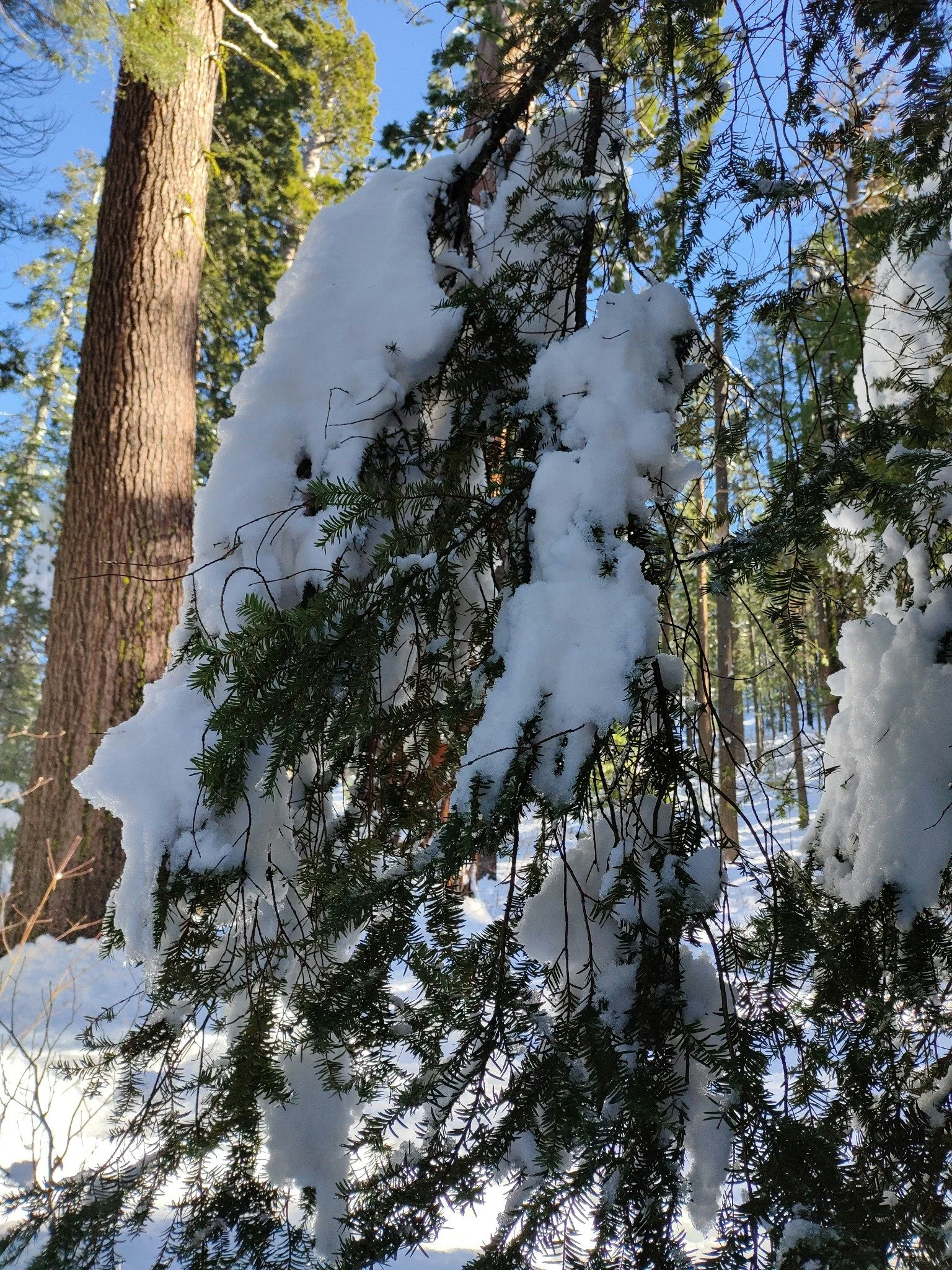
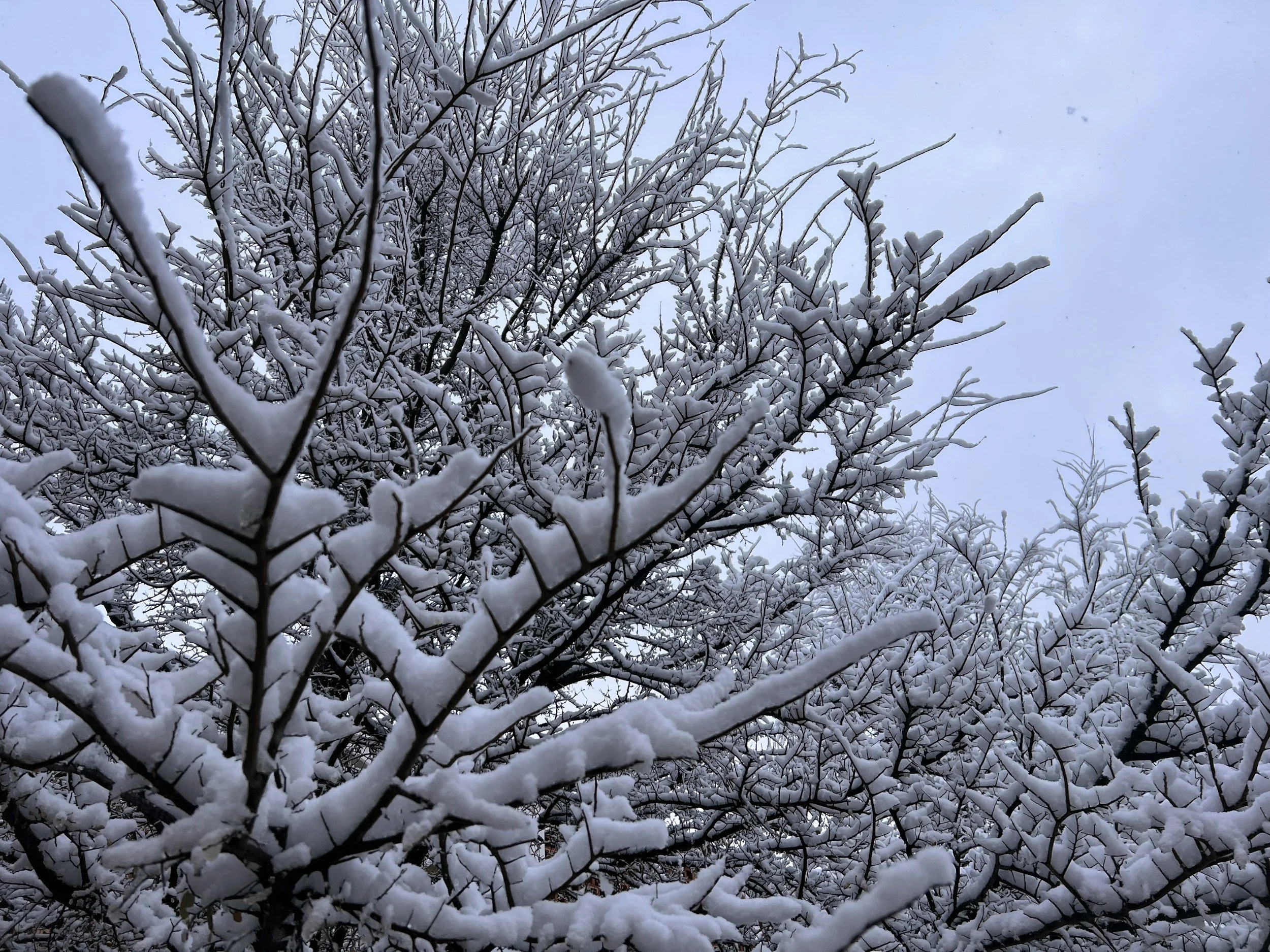
One of the most common causes of winter tree damage in Western New York is wet, heavy snow. When snow piles up on branches—especially on evergreens or trees with dense canopies—it adds significant weight. Branches may bend beyond their natural limits and snap.
In some cases, limbs don’t break immediately. Instead, they remain cracked or overstressed, creating hidden structural weaknesses. These weakened branches often fail later during high winds, spring storms, or when leaves return and add even more weight.
Ice Storm Damage Is Often More Severe
Ice storms tend to cause more serious damage than snow alone. Freezing rain coats branches in solid ice, dramatically increasing weight in a very short period of time. This sudden load can crack large limbs, split trunks, or cause entire trees to fail—especially if the ground beneath them is already soft.
Ice-related damage frequently becomes noticeable after the storm ends. Hanging or partially broken branches may fall without warning, posing a serious safety risk to people, vehicles, homes, and power lines.
Freeze–Thaw Cycles Weaken Tree Structure
Western New York’s frequent temperature swings also play a major role in winter tree damage. As temperatures rise and fall, moisture seeps into small cracks in bark and wood. When that moisture freezes, it expands. When it thaws, the crack becomes slightly larger.
Over time, repeated freeze–thaw cycles weaken branch attachments and widen internal fractures. Trees affected by this type of damage may appear healthy during winter but are far more likely to fail later under wind, rain, or heavy foliage.
Winter Snow Removal Can Injure Trees
Snow plowing, shoveling, and snowblower use around driveways and sidewalks can unintentionally damage trees. Bark wounds and root injuries are common during winter maintenance, especially for trees planted near paved areas.
Even small injuries can allow insects and disease to enter the tree, leading to long-term health problems. Young trees and newly planted trees are particularly vulnerable to this type of damage.
Soil Conditions and Tree Stability in Winter
Winter weather doesn’t just affect trees above ground. Repeated freezing and thawing of soil can shift root systems, while heavy snowmelt can oversaturate the ground. When roots lose stability, trees may begin to lean, expose roots, or become more susceptible to uprooting during wind events.
These issues often develop gradually and may not seem urgent at first, but they can quickly turn into hazardous situations if left unaddressed.
When to Call a Professional Tree Service
If you notice cracked branches, hanging limbs, leaning trees, exposed roots, or anything that looks unusual after winter storms, it’s important to act quickly. Some winter-damaged trees can be saved with proper pruning or corrective care, while others may need to be removed to protect people and property.
A professional evaluation ensures the right decision is made before minor damage turns into a major safety concern. If you have concerns about winter tree damage on your property, High Falls Tree Service is here to help assess, prune, or remove hazardous trees and keep your property safe throughout the season.
Why Winter Is One of the Best Times to Prune Your Trees
When most people think about tree care, they picture warm weather, green leaves, and sunny days. But what many homeowners don’t realize is that winter is actually one of the best seasons for pruning your trees. Whether you have ornamentals, shade trees, fruit trees, or large mature trees on your property, pruning during the colder months sets them up for long-term health, structure, and beauty.
Here’s why tree care professionals love winter—and why your trees will, too.
1. Trees Are Dormant in Winter (Which Means Less Stress)
During winter, trees naturally slow down. Their energy use drops, growth pauses, and they enter a protective dormant state. Because of this, winter pruning is gentler on the tree.
Pruning in winter helps because:
The tree isn’t actively trying to grow or heal new tissue
Cuts heal more efficiently once spring growth begins
The pruning process causes far less stress overall
Dormant-season pruning sets your trees up for stronger, healthier spring growth.
2. Winter Pruning Improves Structure and Safety
Without leaves blocking the view, arborists can clearly see the true structure of the tree. This is the best time to identify:
Crossing or rubbing branches
Dead or diseased limbs
Cracks, weak branch attachments, or storm damage
Limbs growing too close to your house or wires
Clear visibility makes it easier to perform precise cuts, create a safer branch structure, and catch potential hazards before spring storms arrive.
3. Lower Risk of Pests and Disease
Many insects, bacteria, and fungi that threaten trees are inactive during winter. Pruning during cold weather helps prevent:
Insects entering fresh pruning cuts
Disease spreading between limbs
Infections like oak wilt, fire blight, or other seasonal issues
For species that are extra vulnerable—like oaks, elms, and fruit trees—winter is the safest time of year to prune.
4. Your Trees Grow Back Stronger in Spring
A properly pruned tree “wakes up” in spring with:
Better structure
Improved airflow
More sunlight reaches the inner branches
More energy directed toward healthy new growth
The result: a fuller, healthier, more balanced tree.
5. Easier Access for Equipment (and Less Yard Damage)
Frozen ground is a major advantage in winter. It means:
Heavy equipment won’t rut your lawn
Trucks and lifts can reach areas that are too soft in the spring
There’s less damage to the grass and landscaping
For homeowners who love a clean, tidy yard, winter pruning is a huge win.
6. Winter Pruning Can Actually Save You Money
Because winter is usually a slower season for tree care companies, many offer:
Faster scheduling
Off-season pricing
Quick turnaround times
Plus, preventing storm damage or disease saves money long-term.
7. Pruning in Winter Keeps Your Property Safer Year-Round
Removing weak, dead, or overgrown branches in winter reduces your risk of:
Branches falling on roofs or cars
Limbs snapping during wind or heavy snow
Damage to siding, gutters, or fences
Injuries from falling debris
Winter is the perfect time to prepare your trees for unpredictable spring weather.
Final Thoughts
Winter pruning is one of the most effective ways to keep your trees healthy, beautiful, and safe. Whether you’re caring for a single backyard tree or an entire property, pruning during the winter months offers better visibility, fewer pests, quicker healing, and often a better price.
If you’re considering winter pruning, now is the ideal time to schedule a consultation. Tree pros love working in winter and your trees will love you for it.
When most people think about tree care, they picture warm weather, green leaves, and sunny days. But what many homeowners don’t realize is that winter is actually one of the best seasons for pruning your trees. Whether you have ornamentals, shade trees, fruit trees, or large mature trees on your property, pruning during the colder months sets them up for long-term health, structure, and beauty.
Here’s why tree care professionals love winter—and why your trees will, too.
1. Trees Are Dormant in Winter (Which Means Less Stress)
During winter, trees naturally slow down. Their energy use drops, growth pauses, and they enter a protective dormant state. Because of this, winter pruning is gentler on the tree.
Pruning in winter helps because:
The tree isn’t actively trying to grow or heal new tissue
Cuts heal more efficiently once spring growth begins
The pruning process causes far less stress overall
Dormant-season pruning sets your trees up for stronger, healthier spring growth.
2. Winter Pruning Improves Structure and Safety
Without leaves blocking the view, arborists can clearly see the true structure of the tree. This is the best time to identify:
Crossing or rubbing branches
Dead or diseased limbs
Cracks, weak branch attachments, or storm damage
Limbs growing too close to your house or wires
Clear visibility makes it easier to perform precise cuts, create a safer branch structure, and catch potential hazards before spring storms arrive.
3. Lower Risk of Pests and Disease
Many insects, bacteria, and fungi that threaten trees are inactive during winter. Pruning during cold weather helps prevent:
Insects entering fresh pruning cuts
Disease spreading between limbs
Infections like oak wilt, fire blight, or other seasonal issues
For species that are extra vulnerable—like oaks, elms, and fruit trees—winter is the safest time of year to prune.
4. Your Trees Grow Back Stronger in Spring
A properly pruned tree “wakes up” in spring with:
Better structure
Improved airflow
More sunlight reaches the inner branches
More energy directed toward healthy new growth
The result: a fuller, healthier, more balanced tree.
5. Easier Access for Equipment (and Less Yard Damage)
Frozen ground is a major advantage in winter. It means:
Heavy equipment won’t rut your lawn
Trucks and lifts can reach areas that are too soft in the spring
There’s less damage to the grass and landscaping
For homeowners who love a clean, tidy yard, winter pruning is a huge win.
6. Winter Pruning Can Actually Save You Money
Because winter is usually a slower season for tree care companies, many offer:
Faster scheduling
Off-season pricing
Quick turnaround times
Plus, preventing storm damage or disease saves money long-term.
7. Pruning in Winter Keeps Your Property Safer Year-Round
Removing weak, dead, or overgrown branches in winter reduces your risk of:
Branches falling on roofs or cars
Limbs snapping during wind or heavy snow
Damage to siding, gutters, or fences
Injuries from falling debris
Winter is the perfect time to prepare your trees for unpredictable spring weather.
Final Thoughts
Winter pruning is one of the most effective ways to keep your trees healthy, beautiful, and safe. Whether you’re caring for a single backyard tree or an entire property, pruning during the winter months offers better visibility, fewer pests, quicker healing, and often a better price.
If you’re considering winter pruning, now is the ideal time to schedule a consultation. Tree pros love working in winter, and your trees will love you for it.