
Why Plant Health Care Treatments AreRunning Later This Year
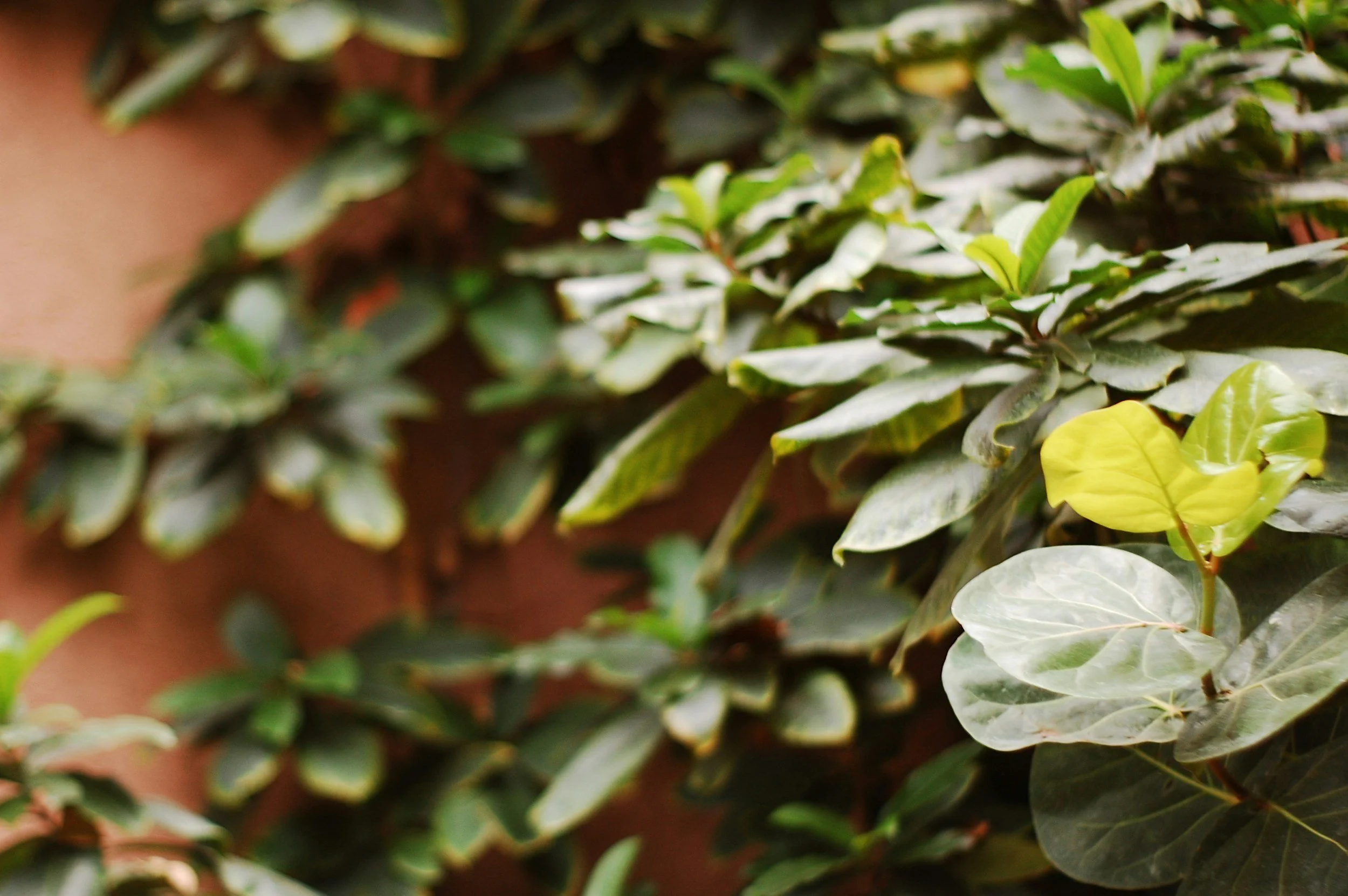
If it feels like spring has been slow to arrive this year, you’re not imagining it. Across Western New York, cooler-than-normal temperatures and above-average rainfall have delayed many of the natural processes that trees, shrubs, insects, and plant diseases rely on. As a result, plant health care treatments normally applied by a certain date are being adjusted to reflect actual landscape conditions.
Growing Degree Days Tell the Story
One of the tools arborists use to time plant health care applications is something called Growing Degree Days (GDDs). Growing Degree Days are a measurement of accumulated heat over time and help predict when plants will leaf out, when insects will emerge, and when certain diseases become active.
This spring, Growing Degree Day accumulation is significantly behind the historical average. In simple terms, our landscapes are behaving more like an earlier spring than the calendar suggests.
Many insect pests and plant diseases develop according to temperature, not to calendar dates. Applying treatments too early can reduce their effectiveness, which is why timing is so important.
Why Treatment Schedules May Look Different
At High Falls Tree Service, we schedule plant health care applications based on plant and pest development rather than fixed calendar dates.
This means some treatments may occur later than last year. While the schedule may look delayed, the goal is the opposite: we want treatments applied at the most effective time for the pest or disease we are targeting. By following environmental conditions rather than the calendar, we can better protect your trees and shrubs while maximizing the effectiveness of each application.
What We’re Seeing in the Landscape
The combination of cool temperatures and frequent rainfall has resulted in:
Slower leaf emergence on many tree species
Delayed flowering on some ornamentals
Reduced insect activity compared to a typical spring
Slower development of certain plant diseases
Wet soil conditions that can affect root health and plant stress
While the rain has generally been beneficial for plant hydration, prolonged moisture can also increase the risk of some fungal diseases later in the season.
What Property Owners Should Do
The best thing homeowners can do right now is remain patient and continue monitoring their landscapes.
Keep an eye out for:
Unusual leaf discoloration
Premature leaf drop
Wilting despite adequate moisture
Insect feeding damage
Branch dieback
If you notice anything concerning, our team is happy to evaluate the issue and determine whether action is needed.
Looking Ahead
As temperatures warm, Growing Degree Day accumulation will increase rapidly, and many plant and insect development stages will catch up. Our Plant Health Care team is actively tracking these changes to ensure treatments are applied at the optimal time.
While this spring has been slower than usual, healthy trees and shrubs are remarkably adaptable. Careful monitoring and properly timed treatments will help keep your landscape thriving throughout the growing season.
If you have questions about your scheduled Plant Health Care services or concerns about the condition of your trees and shrubs, contact High Falls Tree Service. We’re here to help your landscape stay healthy through every season.
