
Late Summer Tree Health: Protecting Your Landscape Before Fall Arrives
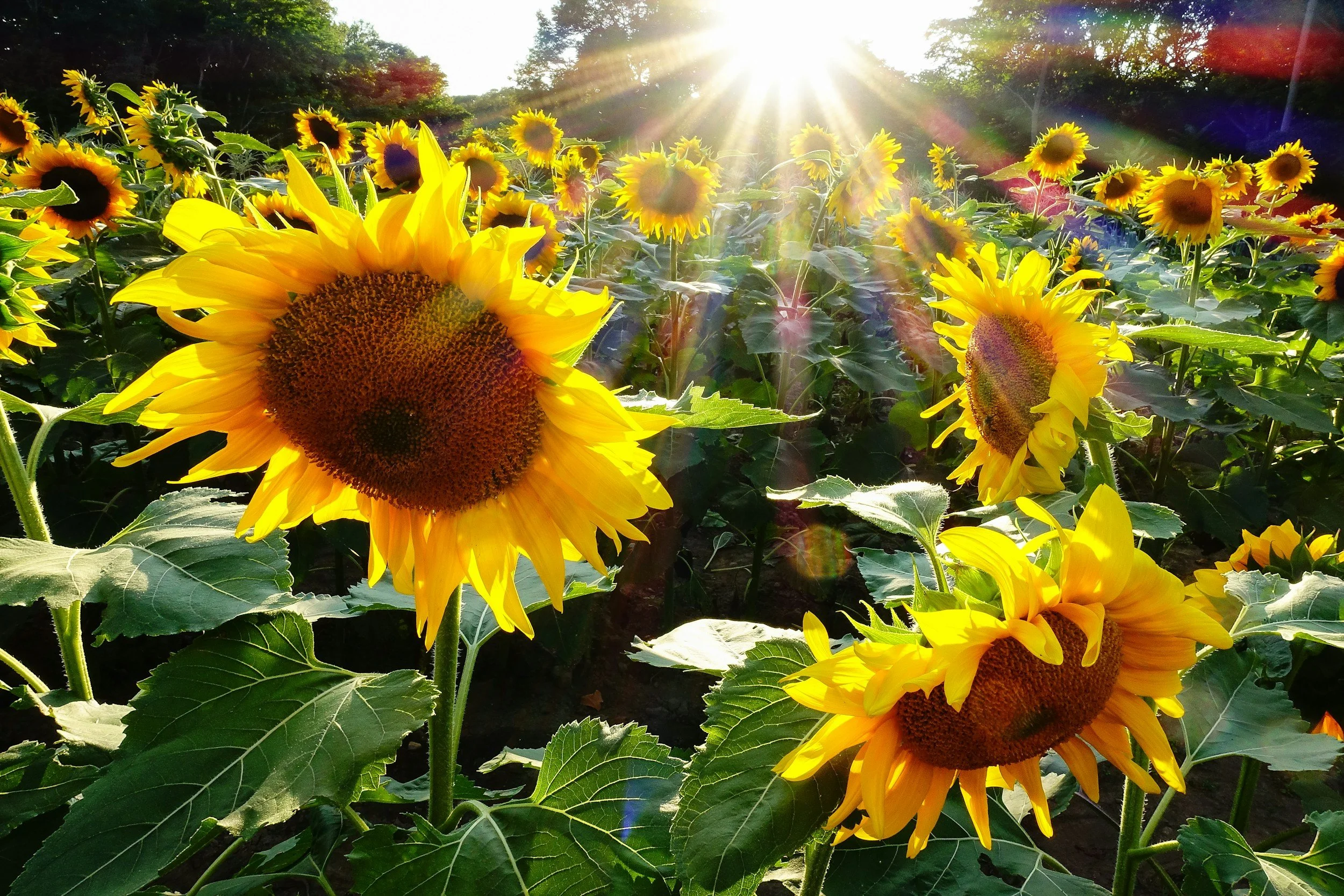
As summer winds down, many homeowners assume the hardest months are over for their trees. In reality, late summer is one of the most important times of the year for tree health. After months of heat, drought, storms, insect activity, and disease pressure, trees are often running on depleted energy reserves while simultaneously preparing for dormancy.
The steps you take now can significantly affect how well your trees survive the winter and how healthy they emerge next spring.
Why Late Summer Is So Stressful for Trees
By August and early September, trees have spent months producing leaves, growing new wood, and defending themselves against insects and diseases. Hot temperatures and inconsistent rainfall can leave even mature trees under stress.
Unlike spring, when trees are focused on rapid growth, late summer is when they begin storing carbohydrates in their roots and stems to survive winter. Any additional stress during this period can reduce those energy reserves and weaken the tree.
Common stressors include:
Heat and drought
Heavy insect feeding
Fungal diseases
Construction damage
Soil compaction
Storm damage
Improper pruning
Trees that appear healthy today may actually be struggling internally.
Signs Your Trees May Be Stressed
Late summer is an excellent time to inspect your landscape for warning signs.
Watch for:
Premature yellowing or browning leaves
Early leaf drop
Wilting foliage
Dead twigs or branch tips
Thin or sparse canopies
Cracks in the trunk
Mushrooms growing at the base
Excessive sap or oozing wounds
While some leaf discoloration is normal as autumn approaches, trees that begin declining weeks before their neighbors deserve a closer look.
Don't Ignore Drought Stress
Even if your lawn looks green, trees may still be lacking moisture. Mature trees have extensive root systems that require deep watering during prolonged dry periods.
A slow, deep soaking once every week or two is far better than frequent shallow watering.
Adding a 2-4 inch layer of mulch around the base of the tree (while keeping it several inches away from the trunk) helps retain soil moisture, moderate soil temperatures, and reduce competition from grass.
Late Summer Insects and Diseases
Many insects remain active well into late summer. This is also when disease symptoms become more noticeable.
Some common issues in our region include:
Spider mites during hot, dry weather
Japanese beetle feeding
Bagworms on evergreens
Scale insects
Anthracnose symptoms lingering from spring
Powdery mildew
Needle cast diseases on spruce
Beech Leaf Disease
Hemlock Woolly Adelgid
Early identification often allows for more effective treatment before permanent damage occurs.
Is It Time to Prune?
Late summer pruning depends on the tree and the situation.
Dead, broken, or hazardous limbs should always be removed promptly for safety. However, major structural pruning is often better postponed until dormancy for many tree species.
A Certified Arborist can determine whether pruning now will benefit the tree or if waiting is the healthier option.
Storm Damage Isn't Always Obvious
Summer storms can leave behind hidden structural damage.
Broken branch attachments, cracked limbs, split trunks, and weakened root systems may not fail immediately. Months later, a seemingly healthy limb can suddenly break during a snowstorm or wind event.
If your property experienced heavy winds this summer, a professional inspection can identify problems before they become hazards.
Now Is the Time to Plan for Fall
Late summer is also an excellent opportunity to:
Schedule preventive pruning for the dormant season.
Evaluate declining trees.
Identify insect and disease issues.
Prepare valuable trees for winter.
Plan fall fertilization or plant health care treatments when appropriate.
Remove hazardous trees before snow and ice arrive.
Being proactive is almost always less expensive than responding to storm damage or emergency tree failures later.
Give Your Trees Their Best Chance
Healthy trees add beauty, shade, property value, and environmental benefits, but they require year-round care, not just in spring.
A professional evaluation in late summer can identify developing problems before they become costly removals or safety hazards.
At High Falls Tree Service, our Certified Arborists specialize in diagnosing tree health issues, recommending science-based treatments, and helping homeowners keep their landscapes healthy for years to come.
If you're noticing unusual leaf drop, dead branches, insect activity, or simply want peace of mind before fall arrives, contact High Falls Tree Service today to schedule a professional tree health assessment.
