
Is Your Tree Ready for a Rochester Winter?
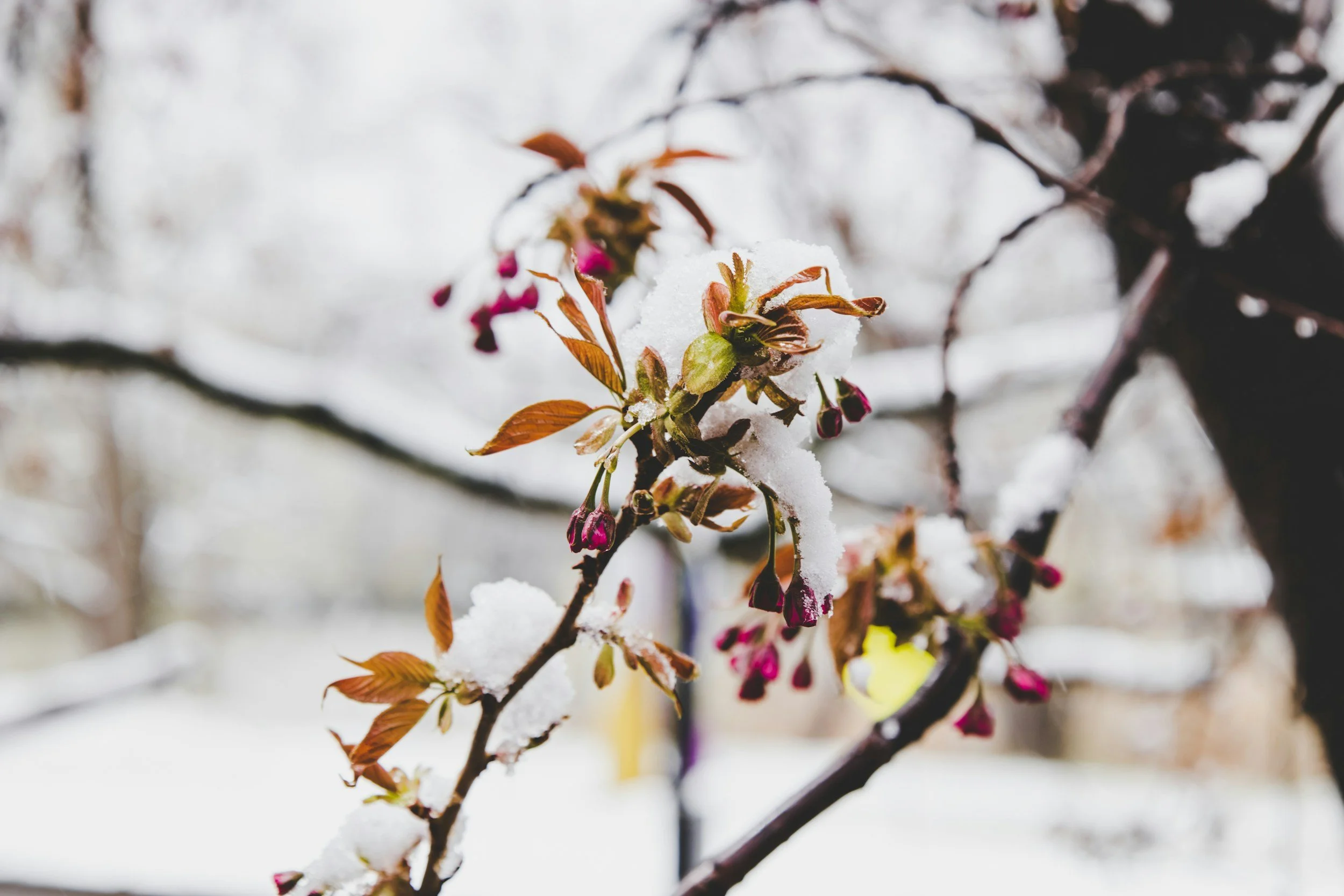
Why Fall Is the Perfect Time to Check Your Trees Before Snow and Ice Arrive
Rochester Winters Can Be Tough on Trees
If you’ve lived in Rochester for any length of time, you know that Western New York winters can be unpredictable. One week brings mild temperatures and rain, while the next delivers heavy lake-effect snow, freezing temperatures, and strong winds.
While we prepare our homes, vehicles, and yards for winter, there’s one important part of our properties that often gets overlooked: our trees.
Mature trees add beauty, shade, and value to our landscapes, but winter weather can put tremendous stress on their branches and overall structure. A tree that appears perfectly healthy in October may have hidden weaknesses that become apparent when heavy snow or ice arrives. Taking a closer look at your trees in the fall can help identify potential problems before winter weather puts them to the test.
Why Winter Weather Can Be Hard on Trees
Rochester’s winter weather creates several challenges for trees, particularly those with existing structural weaknesses.
Heavy Snow and Ice
Wet, heavy snow can accumulate on branches, adding significant weight. Ice storms can be especially damaging, coating limbs with additional weight and increasing the likelihood of breakage. Trees with weak branch attachments, existing cracks, or compromised wood are particularly vulnerable.
Strong Winter Winds
When strong winds accompany winter storms, trees experience additional stress. Dead branches, weakened limbs, and trees with structural defects may be more susceptible to failure.
Freeze-Thaw Cycles
Western New York’s fluctuating winter temperatures can contribute to stress on trees. Repeated freezing and thawing may cause frost cracks in susceptible trees, while changing soil conditions can affect roots, especially in poorly drained areas.
Existing Decay or Root Problems
Some of the most concerning tree problems aren't immediately visible. Internal decay, damaged roots, or weakened branch unions may go unnoticed until severe weather exposes the problem.
Five Warning Signs to Look for This Fall
Before the first major winter storm, take a few minutes to look at the trees around your property. Here are five signs that may warrant a closer inspection.
1. Dead or Hanging Branches
Dead branches can become brittle and may break during storms. Look for limbs without bark, broken branches caught in the canopy, or branches that appear noticeably different from surrounding growth.
2. Cracks in the Trunk or Major Limbs
Visible cracks, splits, or unusual openings in the trunk or major branches may indicate structural weaknesses. Some cracks are superficial, while others can be more serious.
3. Mushrooms or Fungal Growth
Fungal growths around the base of a tree or along its trunk can sometimes indicate internal decay. Certain wood-decaying fungi can compromise a tree's structural strength even when its canopy appears healthy. Not all fungi are harmful, but identifying the species and understanding what it means for the tree is important.
4. Leaning or Changes in Position
Some trees naturally grow at an angle and remain structurally sound for decades. However, a tree that has recently developed a lean, particularly when accompanied by lifted soil or exposed roots, may have a stability problem that requires prompt attention.
5. Weak or Overextended Branches
Long, heavy limbs and branches with narrow, tightly formed attachments may be more susceptible to breakage under the weight of snow and ice. These structural characteristics are not always obvious from the ground, which is one reason professional tree inspections can be valuable.
Can Fall Pruning Help Prevent Winter Damage?
In some cases, yes.
Proper pruning can reduce the likelihood of certain types of branch failure by removing dead, damaged, or structurally compromised limbs.
However, not every tree benefits from heavy pruning in the fall. The appropriate timing and extent of pruning depend on the tree species, its condition, and the goals of the work.
For many deciduous trees, late winter or the dormant season can be an excellent time for structural pruning. Dead or hazardous branches, however, may need attention sooner.
An experienced arborist can determine which branches should be addressed before winter and which pruning work can safely wait.
It’s also important to avoid excessive pruning or topping, which can damage trees and
create additional structural problems over time.
Don’t Forget About the Roots
While homeowners often focus on branches and trunks, a tree's root system plays an equally important role in its stability.
Soil compaction, construction damage, poor drainage, and root decay can all affect a tree’s ability to remain securely anchored.
Because many root problems develop underground, they may not be obvious during a casual inspection.
A tree with a full canopy isn’t necessarily free of structural concerns, particularly when its root system has been compromised.
A Healthy Tree Is Better Prepared for Winter
Not every tree problem requires pruning or removal. Sometimes the best approach is to improve the tree’s overall growing conditions.
Proper mulching, maintaining healthy soil, protecting roots from unnecessary disturbance, and addressing plant health concerns can support long-term tree vitality.
Although these practices cannot prevent all types of storm damage, healthy, well-maintained trees are generally better equipped to withstand environmental stress.
The goal is not to eliminate every possible risk, but to identify manageable problems and make informed decisions before severe weather arrives.
Preparing Rochester’s Trees for the Season Ahead
At High Falls Tree Service, we know how much Rochester homeowners value their trees. From mature maples and oaks in established neighborhoods to ornamental trees throughout Monroe County, each tree contributes something unique to the landscape.
Fall is an excellent opportunity to assess tree health, identify structural concerns, and develop a plan for the months ahead.
Our team is committed to helping homeowners understand their trees and make informed decisions about their care.
Before Rochester’s next big winter storm, take a moment to look up.
If you notice dead branches, unusual fungal growth, cracks, or other potential concerns, contact High Falls Tree Service to schedule a professional tree assessment.
A little attention in the fall can go a long way toward protecting your trees and property throughout the winter months.
